The EU-funded project “Women & Circular Economy” – One Year On
Local Women in Da Nang City Leading the Green Transition through Community Strength
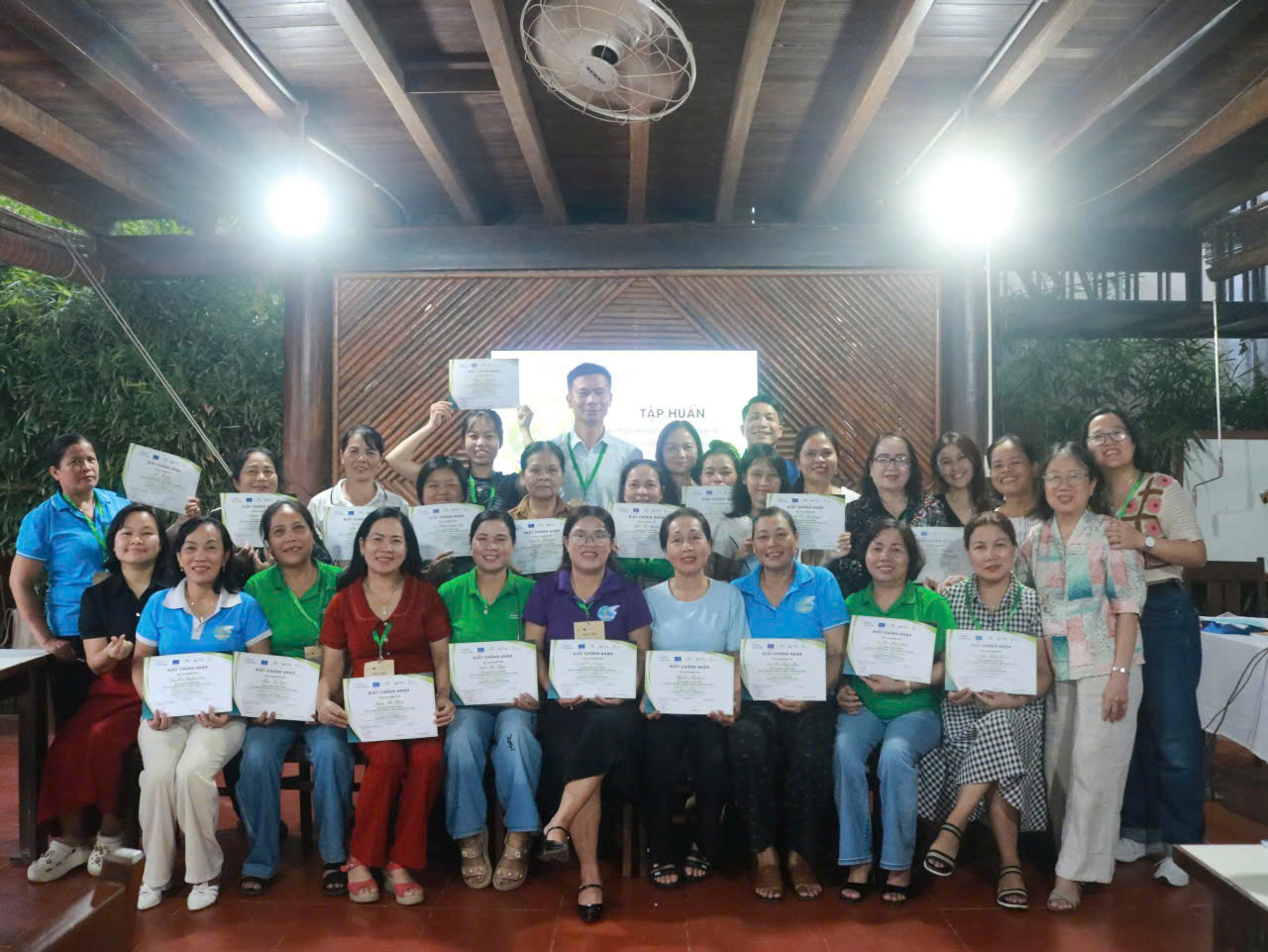
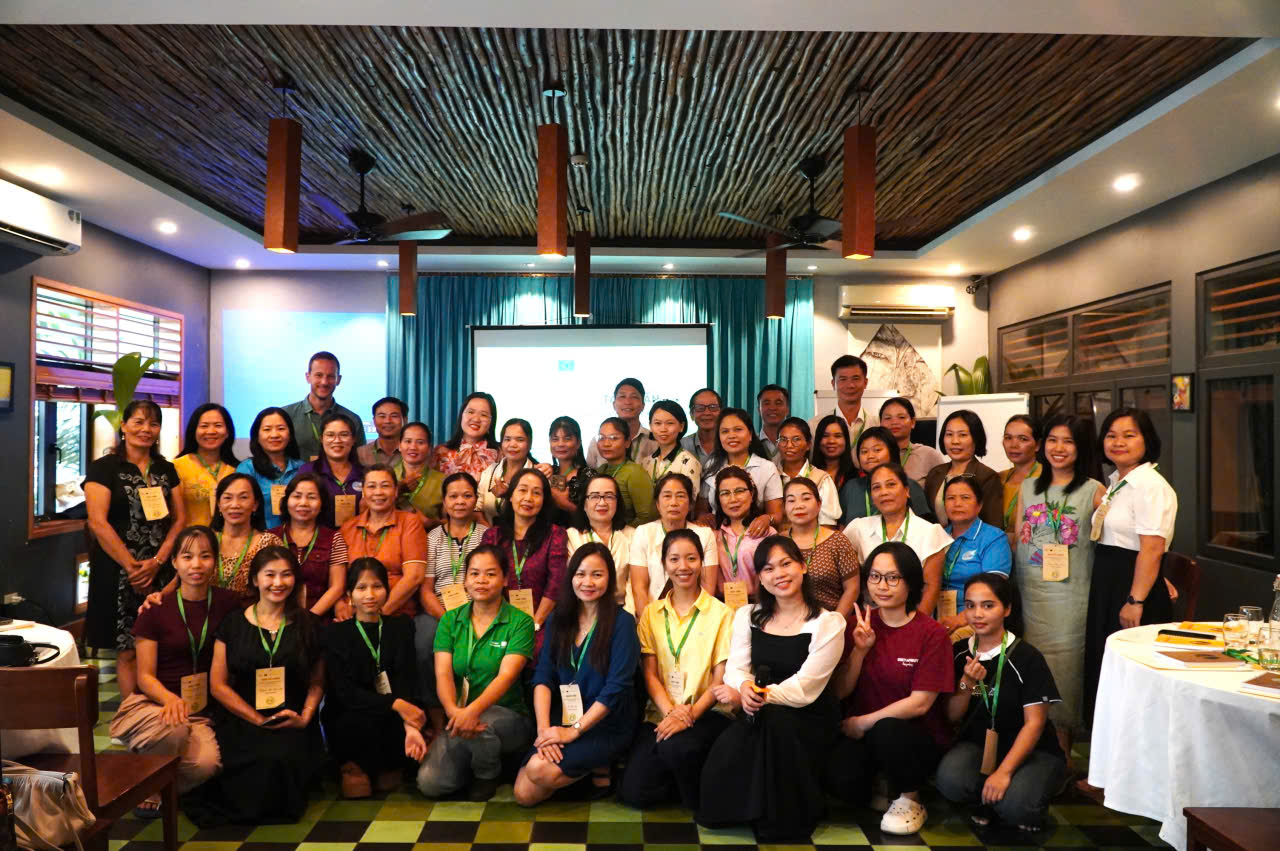
From community-based training on the green and circular economy, women in Sơn Trà, Hải Vân wards and Sông Vàng commune (Da Nang City, Vietnam) are steadily strengthening their capacities, shifting mindsets, and gaining the confidence to lead sustainable economic development initiatives for other women in their communities. Beyond acquiring new knowledge, they are translating once unfamiliar concepts into practical action, closely aligned with everyday livelihoods and local realities.
Women Strengthen Capacities in the Green and Circular Economy
More than 400 women in Sơn Trà, Hải Vân wards and Sông Vàng commune have gained systematic access to concepts of the green economy, circular economy, and asset-based community development (ABCD). This has been achieved through a series of training courses delivered across the three locations under the project “Enabling women in Central Vietnam to improve their lives and protect the environment and natural resources by applying green and circular economy”. The project is funded by the Delegation of the European Union to Vietnam and jointly implemented by GreenViet, Visible Impact, and the Centre for Social Research and Development (CSRD) during the period 2025-2028.
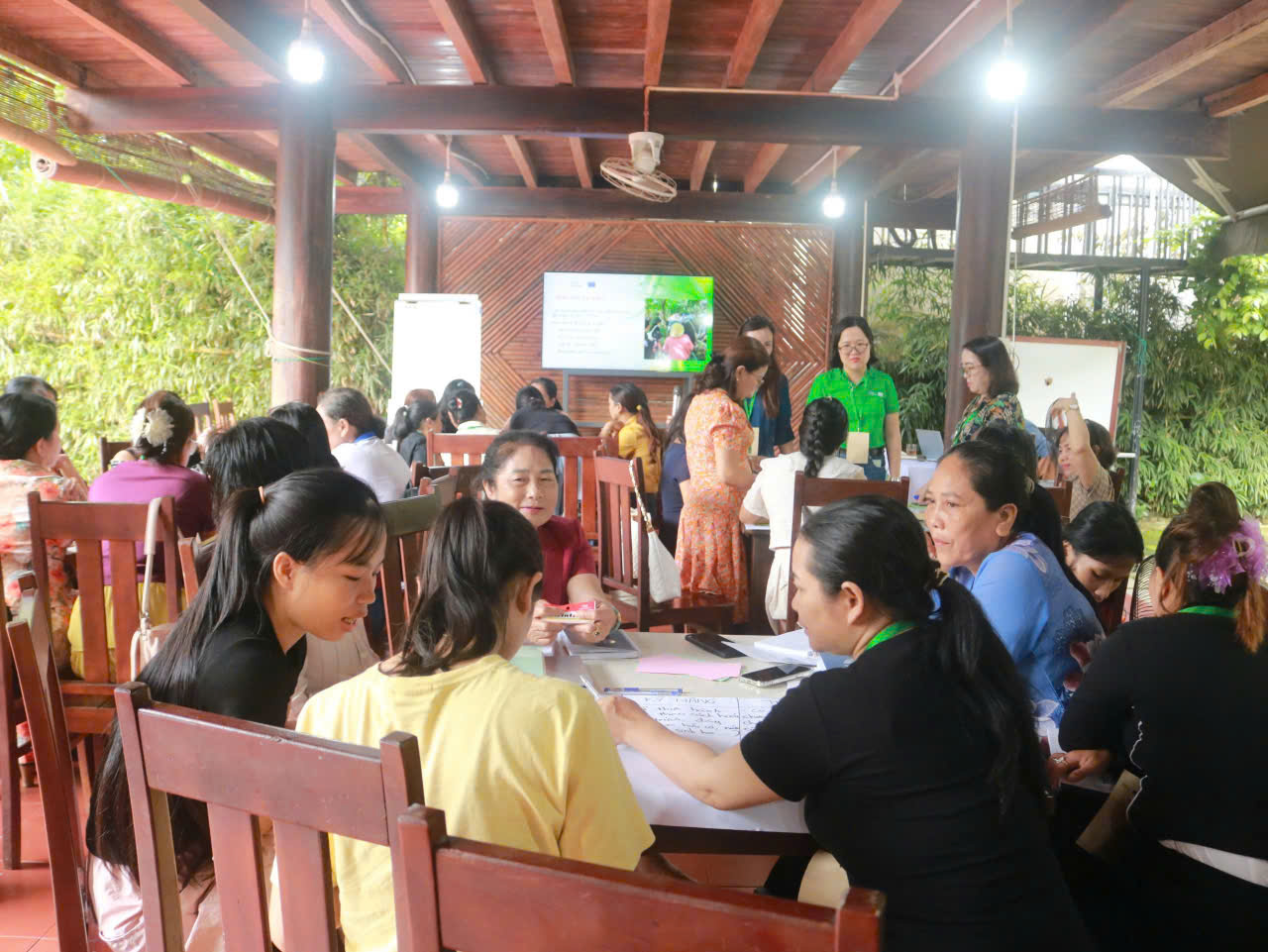
For many participants, particularly Cơ Tu women, an ethnic minority group in Sông Vàng commune, this marked their first in-depth exposure to concepts previously distant from their traditional livelihoods. Through a practice-based learning approach, “green” and “circular” principles have become increasingly accessible, relatable, and relevant. Participants were guided to analyse entire production value chains—from input materials and processing to distribution and consumption—enabling them to identify both positive and negative impacts on the environment, health, and economic efficiency at each stage.
This learning process has also helped many women recognise that they have long been applying “green” and “circular” practices in their daily lives. Ms. Nguyet Tran, a participant from Sơn Trà ward, shared that she and others had already been saving materials, reusing by-products, repurposing items, and composting organic waste, without realising these practices could be part of the green or circular economy. The training has enabled her to better understand the nature of these activities and to see their potential for development into more structured, long-term, and sustainable production models.
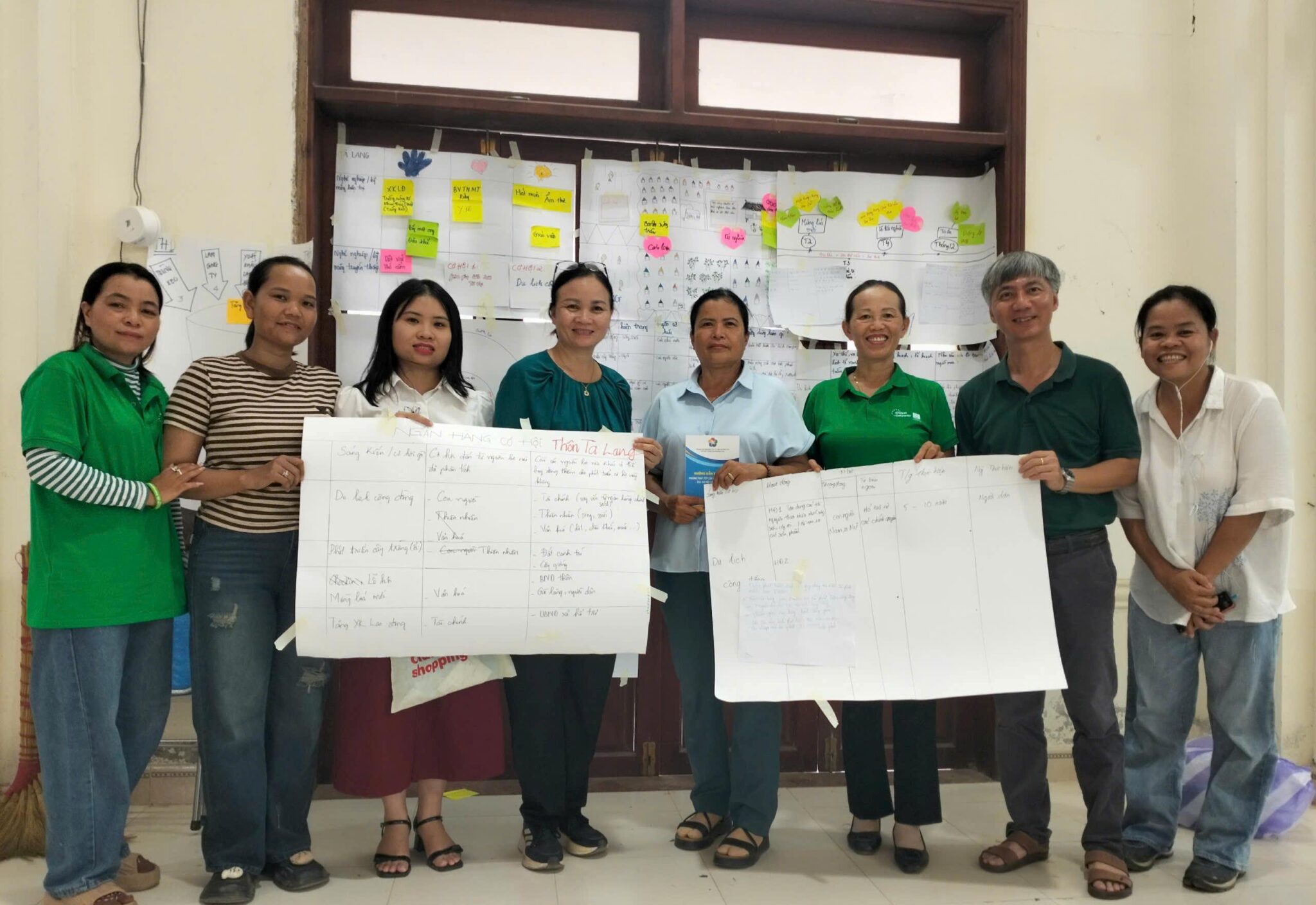
Alongside the green and circular economy content, the asset-based community development (ABCD) approach was integrated throughout the training. This encouraged participants to reassess their communities from a new perspective. Rather than focusing on challenges and shortages, women were supported to identify and connect existing local assets: people, social networks, and cultural values. This shift in perspective has opened up a range of more appropriate, feasible, and sustainable livelihood ideas.
Women Confidently Leading Community Green Transition
A key component of the project has been the development of local women trainers. Through Training of Trainers (ToT) on the green and circular economy, 30 core women were equipped with in-depth knowledge, gender integration approaches, and community facilitation skills. Transitioning from participants to trainers, they have confidently led sessions, facilitated discussions, and delivered training to more than 300 women in their communities.
This shift from “learner” to “trainer” marks not only a change in role but a significant boost in confidence and mindset. For many—especially Cơ Tu women in Sông Vàng Commune—speaking in front of the community and leading discussions was entirely new. Through hands-on practice, they have gradually mastered both the content and the ability to translate green and circular economy concepts into everyday language, using practical, locally relevant examples that are easy to understand and apply.
Ms. Nghia Tran, a trainer from Sông Vàng, shared:
“At first, I didn’t think I could lead training for other women in my commune. After two ToT courses, I gained the knowledge to share with others. When I facilitated sessions, the women listened and actively engaged in discussion. This has made me more confident, and I believe that with more knowledge, women in our community will have greater opportunities to improve their livelihoods and lives.”
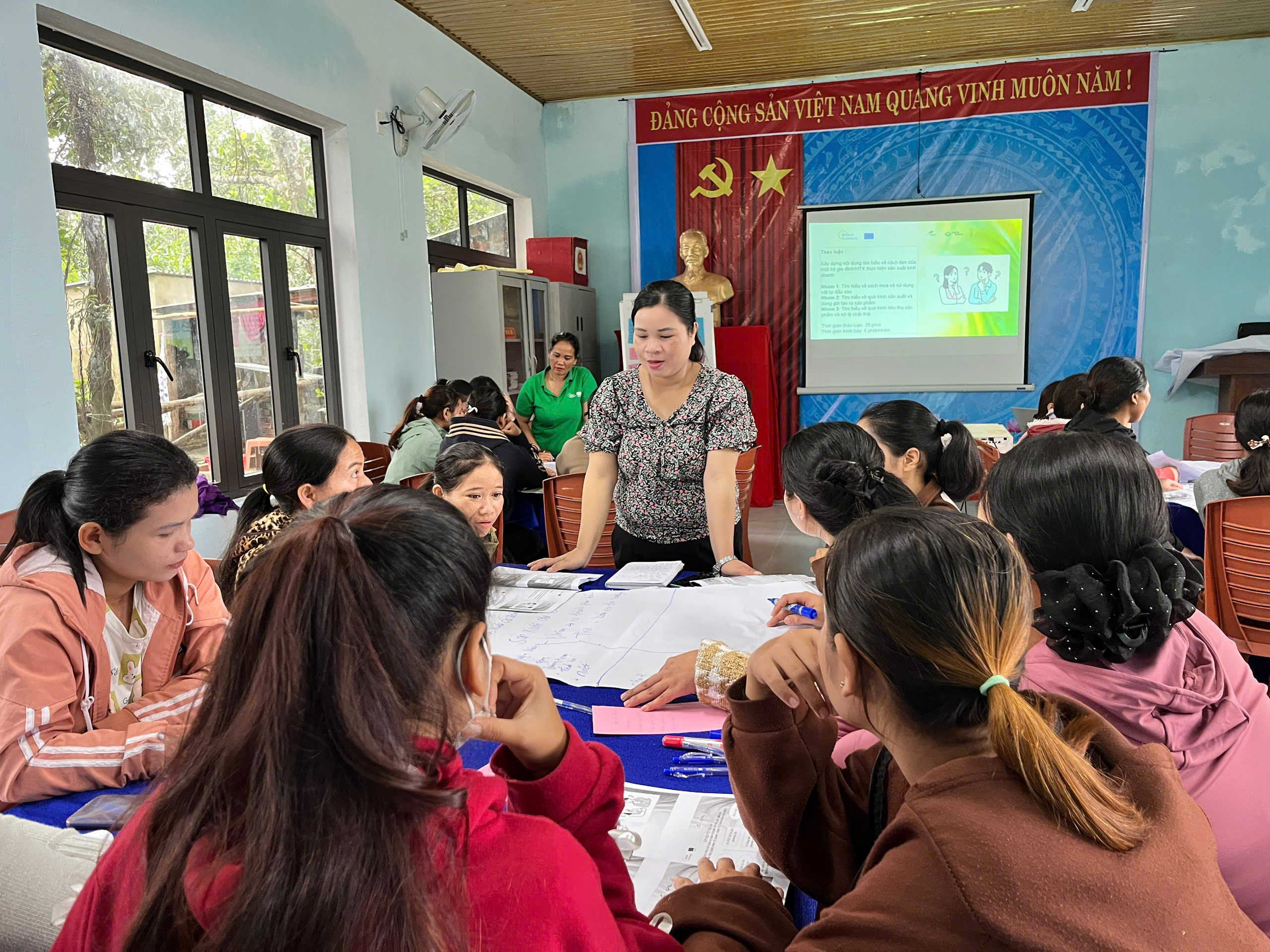
Crucially, these local women trainers act as a bridge between project knowledge and community practice. With a deep understanding of local culture, production practices, and challenges, they are able to adapt training content to local realities. They also support participants in recognising existing resources, valuing indigenous knowledge, and developing livelihood ideas rooted in community strengths.
Green and Circular Economy Ideas Are Taking Shape
Capacity-building efforts have quickly translated shifts in mindset into concrete action. In Hải Vân ward, women’s groups plan to integrate green and circular economy themes into their regular union meetings, while sharing and scaling practical initiatives such as home-grown clean vegetables, composting organic waste, and producing eco-friendly cleaning products.
In Sơn Trà ward, women engaged in seafood processing and trading are beginning to collaborate, with the aim of forming a collaborative business group or a cooperative. This will enable them to implement greener production models, including the use of renewable energy, improved packaging and labelling, thereby increasing economic value while reducing negative environmental impact.
In Sông Vàng commune, Cơ Tu women are rethinking their roles within value chains. Previously confined to less-recognised tasks, they are now exploring opportunities to engage more actively in higher value-adding activities. The training has sparked locally grounded business ideas, such as sustainable cultivation and processing of “chè dây” (a kind of herbal tea), and livestock models combining black pig and cattle rearing with waste treatment through composting or biogas systems. These approaches not only reduce environmental pollution and protect natural resources, but also create practical, stable, and accessible livelihoods for local women.
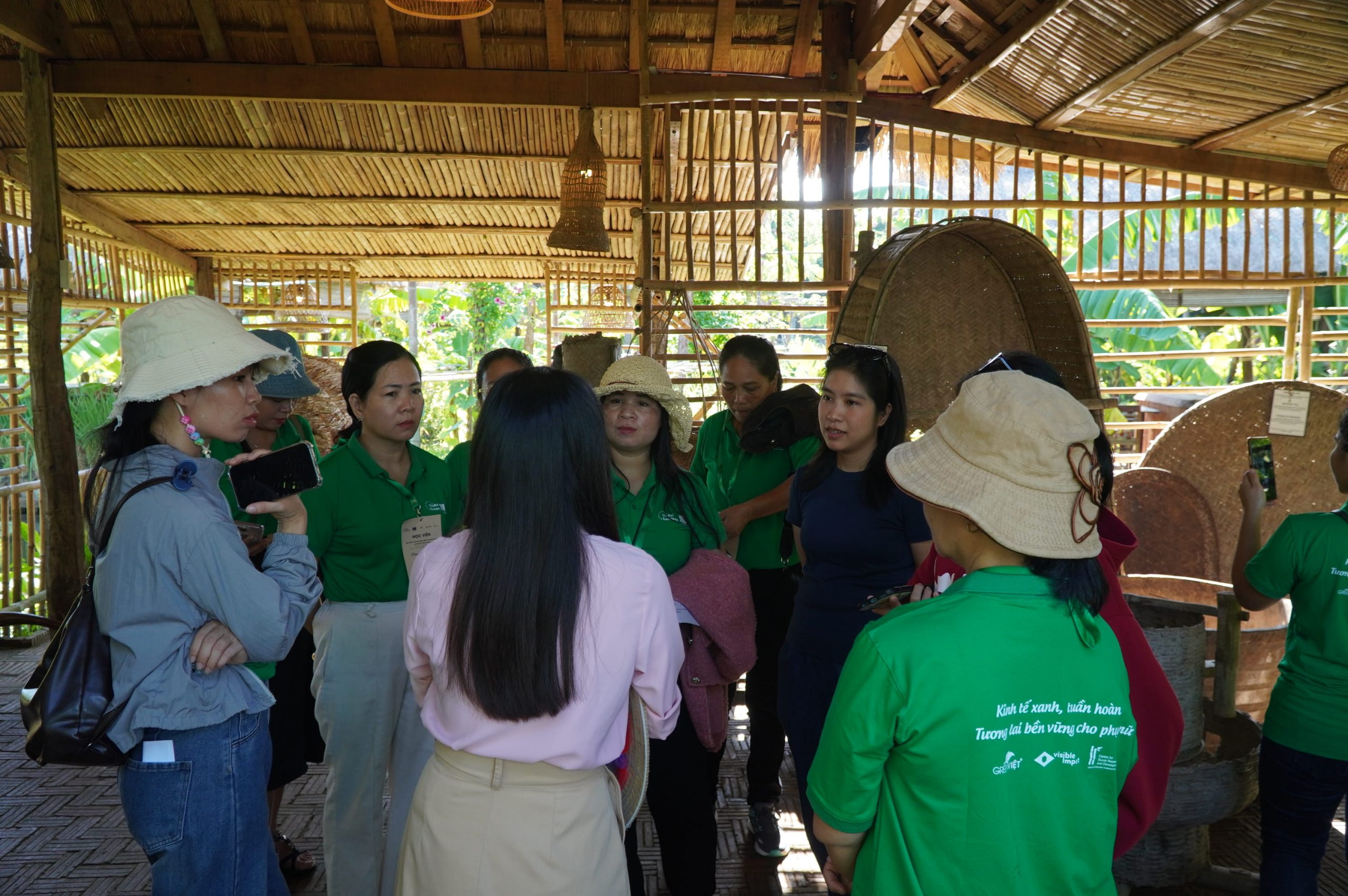
Looking ahead, the journey is only just beginning. Building on this momentum, the project will continue to work closely with local Women’s Unions to nurture these emerging ideas, connect women to markets, and unlock new resources. With ongoing communication efforts and innovation competitions, more local women will be empowered to turn their visions into reality—shaping greener livelihoods, safeguarding their environment, and leading the way towards more resilient and sustainable communities.